My Disability Is Not Your Punchline
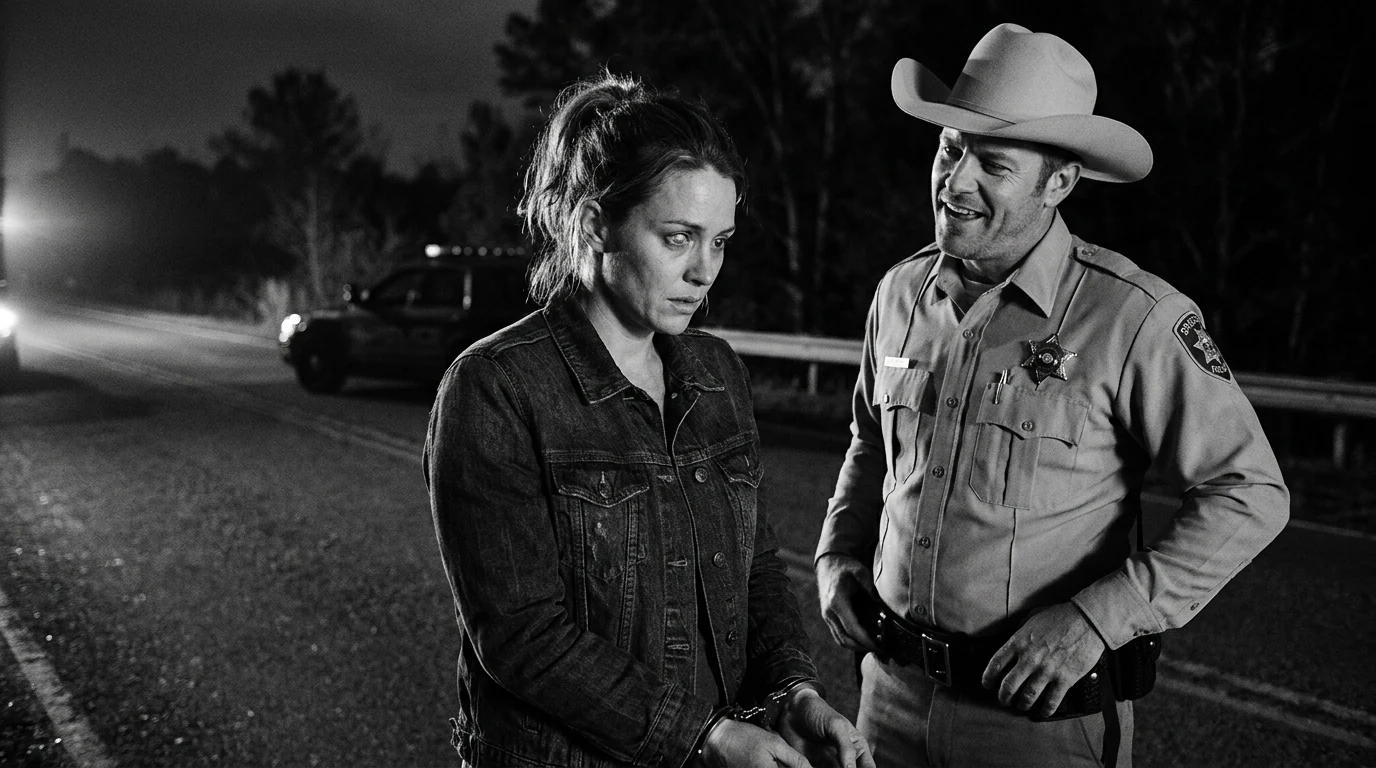
I recently watched a video from a former sheriff discussing a woman who had been caught driving under the influence. According to the discussion, this was her third encounter with law enforcement in approximately a year and a half. That alone is a serious situation. Nobody should be driving drunk, and repeated offenses deserve to be taken seriously.
But somewhere in that commentary, the conversation took a turn that genuinely pissed me off.
When Commentary Crosses into Casual Cruelty
The woman was reportedly blind in her right eye, and the former sheriff made a remark suggesting that blind people shouldn't be allowed to drive. Then came the little smirky laugh, as if it were some clever observation or a harmless joke.
Let me tell you something. There was nothing funny about it.
I'm a veteran, and I'm blind in my right eye, too. I live with that reality every single day. I know what it's like to navigate a world where people can make assumptions about you based on something they see, or something they think they understand. And I also know that losing vision in one eye doesn't automatically mean a person is incapable of functioning, working, living independently, or driving safely.
So when I heard that comment, I took offense. Not because I think anyone should get a free pass for driving drunk. Not because I believe everyone with a visual impairment should automatically be allowed behind the wheel. I took offense because he appeared to lump an entire group of people into one category without considering that disabilities affect people differently.
Standards, Science, and Common Sense
Being blind in one eye does not automatically make someone incapable of driving.
There are medical requirements, licensing rules, vision standards, and individual circumstances that matter. A person's actual ability to drive safely should be evaluated based on those factors, not dismissed with a blanket statement and a laugh.
And let's not lose sight of the original issue here. If this woman was repeatedly driving under the influence, then address that. Talk about the danger she may have posed to herself and everyone else on the road. Discuss accountability. Discuss the consequences of repeatedly making reckless decisions.
Those are legitimate points.
But what does her visual impairment have to do with making a sweeping statement about everyone who is blind in one eye?
That's where the commentary crossed a line for me.
The Smirk Behind the Generalization
What bothered me almost as much as the words themselves was that smirky little laugh. Maybe he thought he was being funny. Maybe he thought the remark was harmless. But when you've lived with a disability yourself, hearing someone casually dismiss what you're capable of doing can hit differently.
"It's easy to make a generalization when you're not the person who has to live with the consequences of it."
I didn't just sit there and get angry. I unfollowed him, and I left a comment on his YouTube video explaining my position. I decided that if someone is going to make statements like that publicly, then people affected by those statements have every right to respond publicly, too.
Evaluate the Individual, Not the Assumption
I'm not asking for special treatment. I'm not asking anyone to lower safety standards. I'm asking for a little common sense and some respect.
Evaluate people as individuals. Apply the rules fairly. Hold people accountable for dangerous behavior. But stop acting as though one disability automatically defines everything a person can or cannot do.
I'm proud to have served my country. I'm also someone who has learned to live with the challenges of being blind in my right eye. I know my limitations, I know what I can do, and I understand that driving is a responsibility that should never be taken lightly—especially when we see how many reckless drivers treat the road like a racetrack.
What I won't accept is someone using a situation involving a drunk driver as an opportunity to make a broad, dismissive statement about people like me.
"My disability is not a joke. My abilities are not yours to dismiss. And my right to be treated with dignity doesn't disappear because you think a smirky laugh makes your opinion entertaining."
Words Have Real Impact
You can criticize drunk driving without insulting an entire group of people. You can discuss public safety without making assumptions about every person who lives with a disability.
It's not that difficult.
I unfollowed him because I don't need that kind of commentary in my life. But I also wanted to put my own thoughts out there because I know I'm not the only person who has a disability and is tired of being judged by people who don't understand what living with it actually means. Much like how talk is cheap and actions are the receipt, how people treat others when they think it's an easy laugh reveals everything.
Sometimes people need to be reminded that the words coming out of their mouths have an impact beyond the moment they say them.
This time, those words hit home.
And no, I didn't find his little laugh funny.